Are you tired of dealing with an itchy, sensitive scalp? This post covers the causes of a sensitive scalp, the benefits of using non-toxic hair products, and provides recommendations for 7 natural shampoos, treatments, and scrubs to soothe scalp irritation and achieve healthy hair.
If you're someone who struggles with an itchy, irritated scalp, we feel your pain. We’ve been there - trying product after product, only to end up with the same frustrating symptoms. It wasn't until we started being more mindful about the ingredients in our hair care products that we realized the root cause of our issues.
Most popular shampoos and conditioners are loaded with harsh chemicals and artificial fragrances that can wreak havoc on sensitive skin. Once we made the switch to using non-toxic, natural hair products, it made a world of difference.
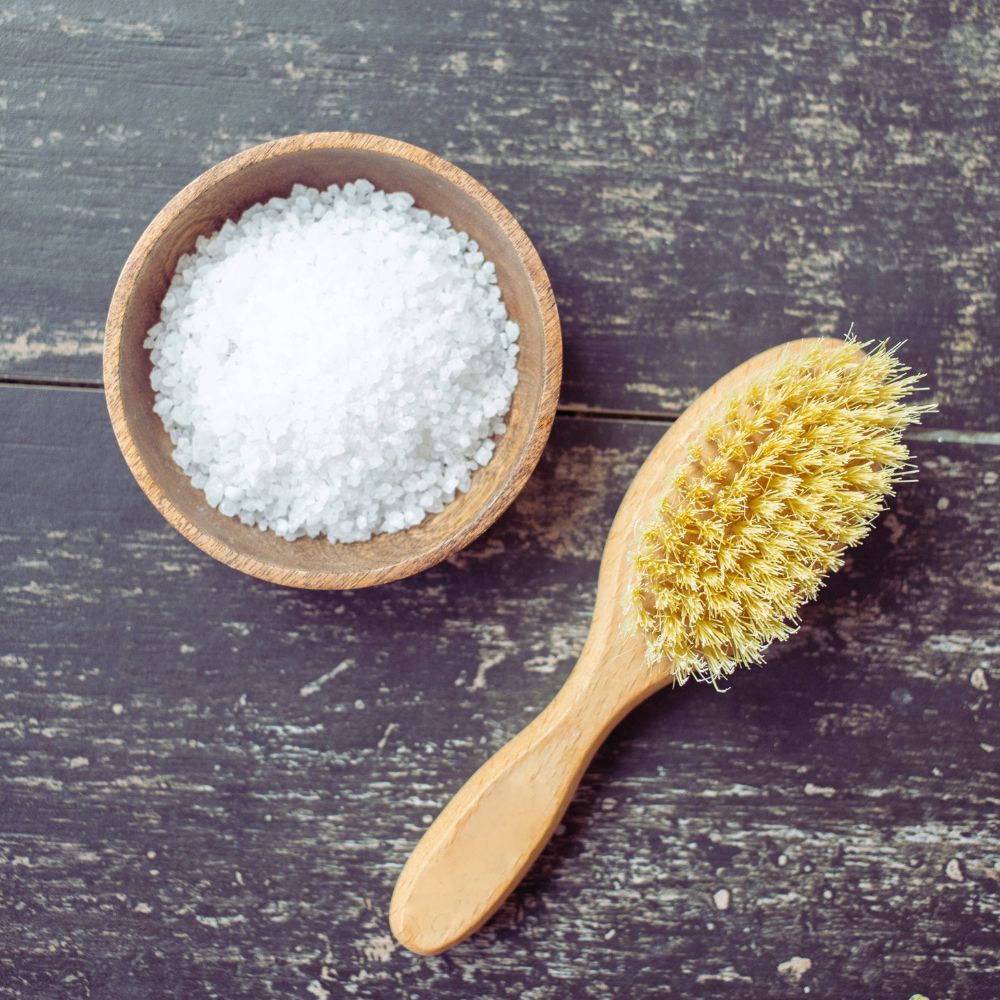
Not only did our scalp irritation disappear, but our hair also looked and felt healthier than ever before.
The key was finding products made with plant-based ingredients and essential oils known for their soothing properties versus those chock-full of sulfates, parabens, and other problematic chemicals commonly found in conventional hair care brands.
This post may contain affiliate links, which means I'll receive a commission if you purchase through my link at no extra cost to you. Please read the full disclosure here.
In this post, we’ll share our top 7 non-toxic shampoos, treatments, and scrubs that have been total game-changers for soothing our sensitive scalps once and for all. In recommending these products, we prioritized ensuring each was EWG verified as clean and all-natural, of a (mostly) reasonable price point, easy to use and apply, and didn’t result in accumulated product build-up after several weeks of use.
Whether you're dealing with a flaky, itchy scalp or just looking to avoid exposure to toxic chemicals, these natural hair care recommendations are sure to help get your scalp happy and healthy!
Quick Summary: 7 Non Toxic Hair Products To Keep Your Sensitive Scalp Happy
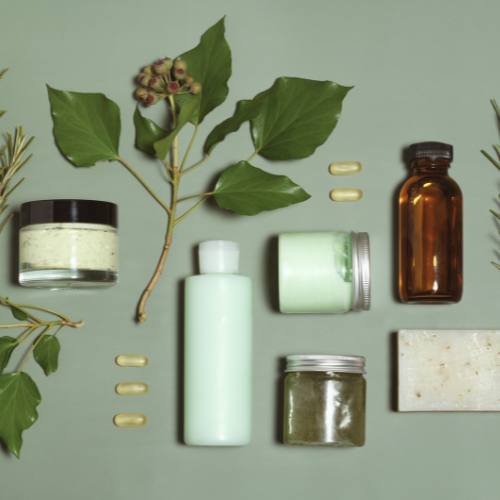
The Science Behind a Sensitive Scalp
A sensitive scalp can result from a variety of underlying factors that can lead to irritation, discomfort, or inflammation. These are some of the most common causes of a sensitive scalp:
Underlying Health Issues and Skin Conditions
Common skin conditions and autoimmune disorders like dandruff, psoriasis, lupus, and eczema can cause symptoms like flaking, itching, and redness, which are often times irritating and downright painful. These conditions can leave your scalp especially prone to irritation and more sensitive to hair care products that usually wouldn't cause any problems.
Sometimes, hormonal changes can affect your skin's oil production, which can also be behind chronic scalp sensitivity. At the same time, allergic reactions to certain ingredients in hair care products, environmental allergens, or even certain foods can cause inflammation and irritation.
Environmental Factors
External factors like sun exposure, cold weather, and pollution can all potentially irritate your scalp and cause sensitivity.
Sun Exposure: Just like the skin on other parts of our body, the scalp can get sunburned. Prolonged exposure to UV rays can damage the scalp, leading to dryness, peeling, and irritation.
Cold Weather: Cold and dry weather can strip moisture from the scalp, making it dry and itchy, while low humidity levels during winter often exacerbate this issue.
Pollution: Airborne pollutants can accumulate on your hair and scalp. These unwelcome pollutants can irritate your skin, especially if you live in an urban or industrial area.
Over-Washing and Over-Styling
Frequent shampooing, blow-drying, straightening, and other excessive hair-styling practices can lead to scalp irritation for the following reasons:
Shampooing on a daily basis can remove your scalp's natural oils. These oils are essential for maintaining moisture and protecting the skin. Without these natural oils, your scalp becomes vulnerable and can become easily dry and irritated.
Blow-drying, straightening, and other heat applications can also cause moisture loss. If you consistently wear hairstyles that pull tightly on your hairline, like ponytails or braids, this can put physical stress on your scalp, also causing irritation and discomfort.
Ingredients in Your Haircare Products
Personal care products, including hair products, often contain harsh chemicals that can worsen scalp sensitivity.
The long-term use of hair products containing harsh chemicals progressively impairs the natural pH balance of your scalp, leading to chronic irritation, sensitivity, and potentially more severe skin conditions with prolonged use.
This is why it's essential to be mindful of the ingredients in your hair care products, especially if you have a sensitive scalp. Opting for non-toxic shampoos and hair care products made with natural or organic ingredients is the best way to go.
Look to avoid these potentially harmful ingredients found in most popular brands:
- Sulfates: Sulfates, like sodium lauryl sulfate, are common in shampoos and are used to create lather. They act as surfactants to remove dirt and oil but can also strip the scalp of its natural oils, leading to skin and eye irritation and frizzy, dry hair.
- Parabens: These are preservatives that prevent bacteria growth in hair products. Parabens are endocrine disruptors that mimic estrogen, a hormone linked to breast cancer cell growth. They may also contribute to skin irritation.
- Formaldehydes and Formaldehyde-Releasing Preservatives: These are used to preserve the shelf life of products but can lead to scalp irritation and formaldehyde is a known carcinogen.
- Phthalates, Synthetic Musks, Hexachlorophene, Triclosan, Alcohols, Benzophenone, Ethanolamines: These ingredients, found in various hair care products, can damage skin quality over time and potentially lead to long-term health concerns.
- PVP/VA Copolymer: Common in hairsprays, this ingredient derived from petroleum can cause scalp irritation and respiratory issues in some individuals.
- Sodium Chloride: Also known as salt, it's used to thicken shampoo consistency but can leave the scalp itchy, dry, and prone to hair loss, especially in individuals with sensitive skin.
- Alcohol: Certain types of alcohol in shampoos can dry out the hair and scalp. Not all alcohols are harmful, but those with ‘prop’ in their name, like isopropyl and propanol, should be avoided.
- Artificial Fragrances: These can be mixed with toxic chemicals and be disruptive to your health, leading to skin irritation and hair loss
- Dimethicone: A form of silicone, dimethicone creates product buildup on the scalp, leading to greasiness, clogged pores, itchiness, and discomfort.
- Para-phenylenediamine (PPD) and Para toluenediamine (PTD): Found in chemical hair dyes, PPD and PTD can cause allergic reactions and dermatitis. Incomplete oxidation during the dyeing process can exacerbate these reactions.
Of course, this is not a comprehensive list, and we encourage you to do your own research when it comes to the ingredients in your hair care and personal care products.
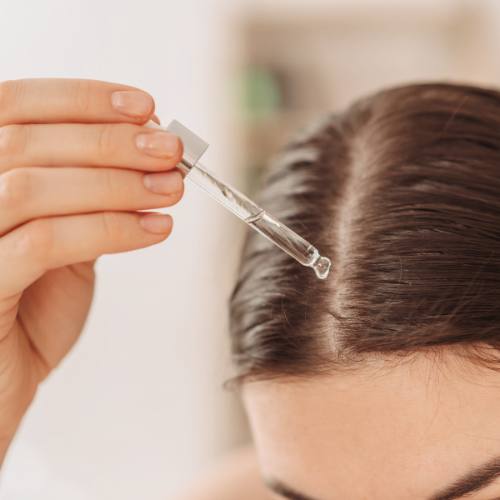
Signs You May Have A Sensitive Scalp
Common Signs
- Itching or a persistent urge to scratch the scalp.
- Redness or visible irritation.
- Flaking or dandruff.
- Dryness or a feeling of tightness on the scalp.
- Tenderness or pain when touching the scalp.
Uncommon Signs
- Unusual patterns of hair loss or thinning.
- Bumps or lesions on the scalp.
- Scalp swelling.
- Excessive oiliness or greasiness can sometimes indicate a hormonal imbalance or allergic reaction.
- A burning sensation or unusual warmth in the scalp area.
If you notice these symptoms persistently, you should consult with a healthcare professional or dermatologist for a proper diagnosis and treatment plan, especially if you experience uncommon or severe symptoms.
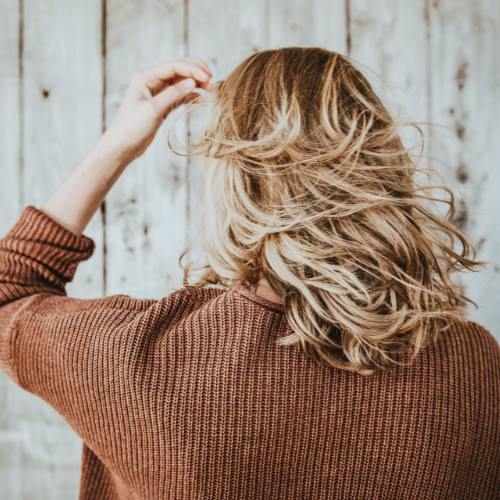
The Advantages of Using Organic and Clean Hair Products
If you suffer from a sensitive scalp, opting to use nontoxic hair care products made with plant-based ingredients will help you avoid the cumulative effects of these toxic chemicals that can cause an irritated scalp and long-term health issues.
Beyond being gentle, non-toxic hair products offer numerous benefits.
Minimalist Ingredient Lists Ensure Gentle Products
Natural and organic products take a minimalist approach to their ingredients, significantly reducing the risk of irritation and allergic reactions. Since they are free from harsh chemicals, they won’t strip your scalp of its natural oils or provoke inflammation, which is a common issue with a lot of conventional hair care brands. This gentleness ensures that the natural pH balance of your scalp is maintained, which is crucial for preventing dryness, flaking, and other discomforts.
Enriched With Natural Oils To Support Scalp Health
Moreover, these products are typically enriched with natural oils, vitamins, and minerals, providing deep nourishment to your hair follicles. Ingredients like coconut oil, aloe vera, tea tree oil, and shea butter are known for their soothing, moisturizing, and healing properties, contributing to a healthier scalp environment.
By nurturing the scalp with gentle, nourishing ingredients, organic hair care products lay the foundation for stronger, healthier hair.
Non-Toxic Products Are Better For The Environment
Apart from the direct benefits to scalp and hair health, using organic and non-toxic products also aligns with a more environmentally sustainable lifestyle. These products often feature biodegradable ingredients and eco-friendly packaging, reflecting a commitment to the health of our planet.
Our Picks 7 Non-Toxic Hair Products for Sensitive Scalps
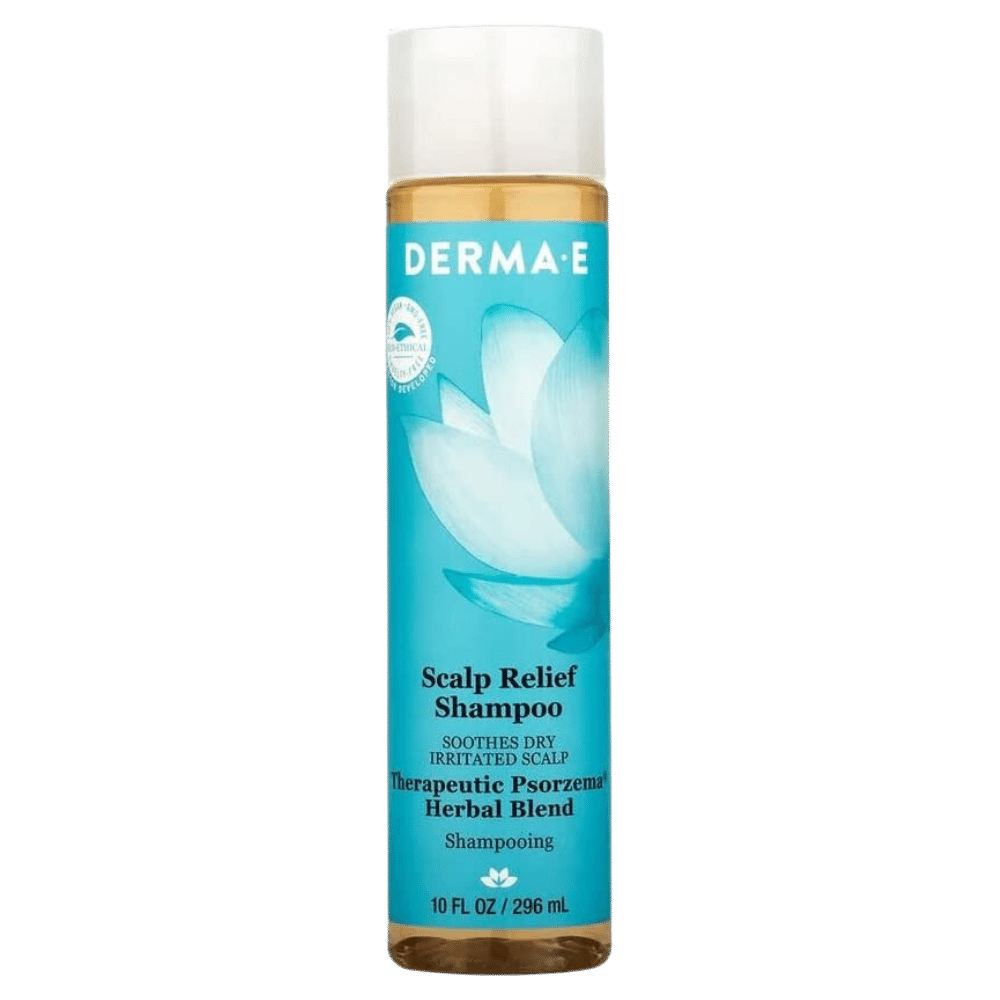
In our opinion, nothing beats the DERMA-E Scalp Relief Shampoo when we need fast relief from flaking, itching, and irritation. DERMA-E's sulfate-free shampoos are formulated for individuals with eczema and psoriasis, but even if you don’t have either of these conditions, consider giving this shampoo a try.
DERMA-E Scalp Relief Shampoo is one of the best chemical-free shampoos for an itchy, flaky scalp. Not only was it more affordable, but it was also more effective than Neutrogena T/Gel Therapeutic Shampoo and Jason Dandruff Relief, and the non toxic ingredients were gentler on our hair as well.
The key active ingredients are tea tree oil and chamomile extract. Tea tree essential oils are known for their antibacterial and antifungal properties that help to reduce
inflammation and prevent scalp infections. Chamomile extract is a natural anti-inflammatory that helps to soothe and calm the scalp.
We will say that this shampoo has a noticeable medicinal smell when applied to wet hair, but the scent disappears once your hair is dry.
If you are looking for a shampoo with a more floral or citrusy scent, try the Innersense Organic Beauty Pure Harmony Hairbath Shampoo or the Acure Simply Smoothing Shampoo.
In addition to reducing our itchiness, our hair was smooth and lustrous. We were actually surprised at the number of compliments we received on our hair after using this shampoo.
You'll also want to try out this product if you have oily or thin hair that shows excess oil easily. Typically, we have to wash our hair once a day, but we found that when using this shampoo, we could go as long as three days without needing to wash or apply dry shampoo.
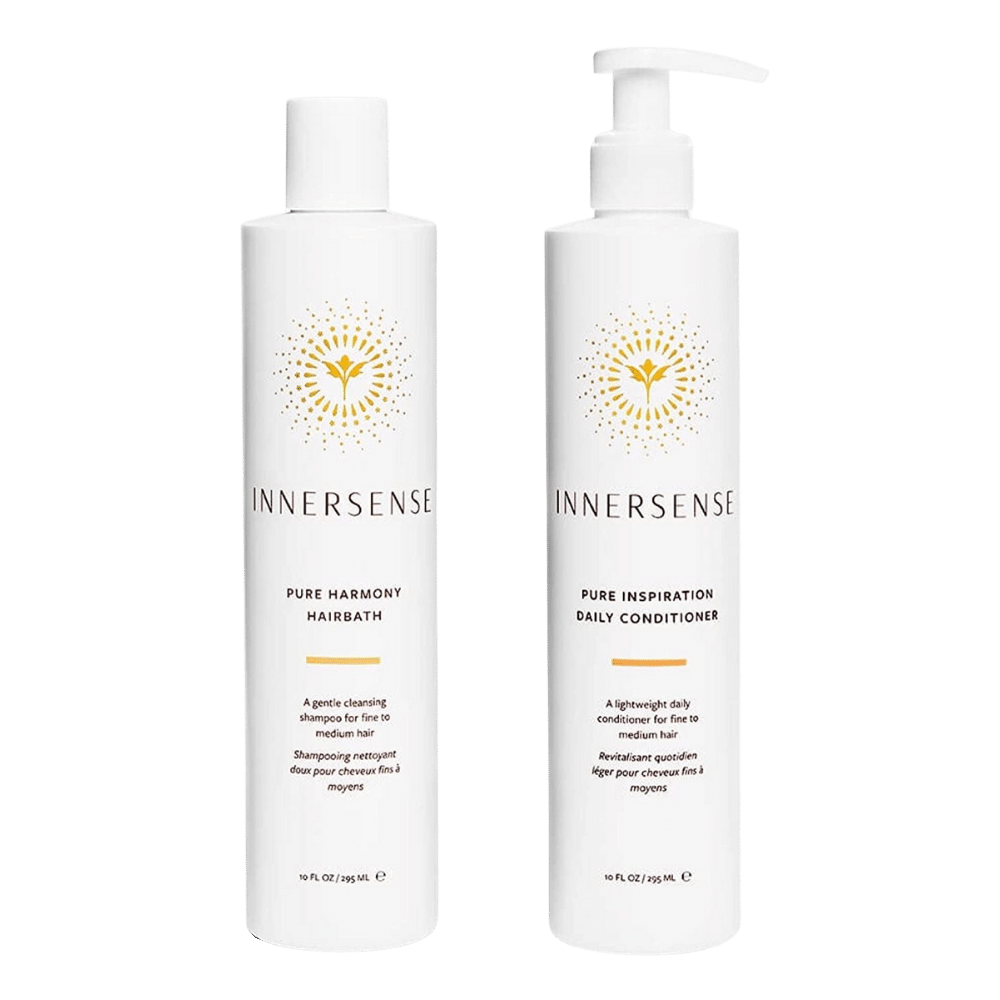
The Innersense Organic Beauty Pure Harmony Hairbath Shampoo is perfect for everyday use if you have a particularly sensitive scalp. It nourishes and balances the scalp's pH while leaving hair healthy and shiny with minimal product buildup. It's also gentle enough to use if you have color-treated hair.
The key active ingredients in their nontoxic shampoos include aloe vera, which soothes and hydrates, and rooibos tea, which is rich in antioxidants to protect your hair and scalp from environmental pollutants. It also contains pumpkin seed oil, which is high in fatty acids to keep your scalp moisturized. All of these ingredients work together to improve scalp health over time.
The shampoo has a light, milky consistency, and a gorgeous citrusy cent. We appreciated that thoroughly cleaning our thick hair didn't take much product.
So even though this shampoo is more expensive, it was a good value since it lasted us quite a while. After using the shampoo, our scalp felt soothed and moisturized. Overall, we found the Innersense Organic Beauty Pure Harmony Hairbath Shampoo very effective and a great option for daily use.
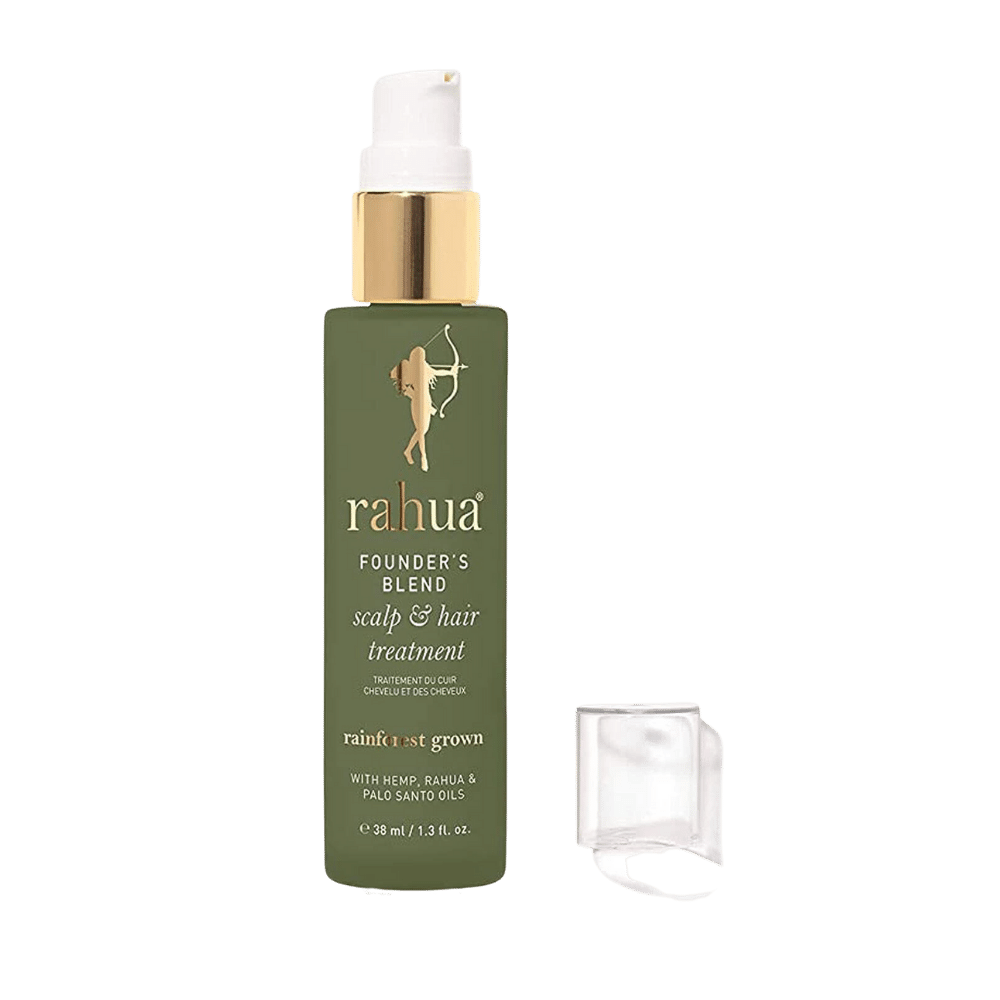
After reading so many rave reviews about the Rahua Hair Treatment, we were eager to try it to see if it really lived up to the hype.
The packaging claims to nourish and balance the scalp while providing a boost of hydration to the hair. We had a feeling this scalp treatment would be good when we saw so many nourishing plant-based oils like Rahua oil, which is rich in omega-9, and Sacha Inchi oil, which is high in omega-3.
We have to say that the Rahua hair and scalp treatment exceeded our expectations. The oil itself was lightweight, non-greasy, and didn't weigh down our fine hair. The scent is hard to describe and takes a little getting used to, and it might be off-putting for some.
After several uses, we noticed our scalp seemed less dry and itchy, and our flakes noticeably decreased. On top of that, our hair also felt softer, and smoother, and our frizzy hair was a lot more manageable. The Rahua Founder's Blend Scalp & Hair Treatment will continue to be a weekly part of our haircare rotation.
Having tried a few other similar scalp treatments like the Briogeo Scalp Revival Charcoal + Tea Tree Scalp Treatment and Aveda Scalp Benefits Balancing Shampoo, we preferred the Rahua product because of its long list of high-quality natural ingredients.
Suggested Reading: 5 Best Natural Shampoo Brands For Healthier Cleaner Hair

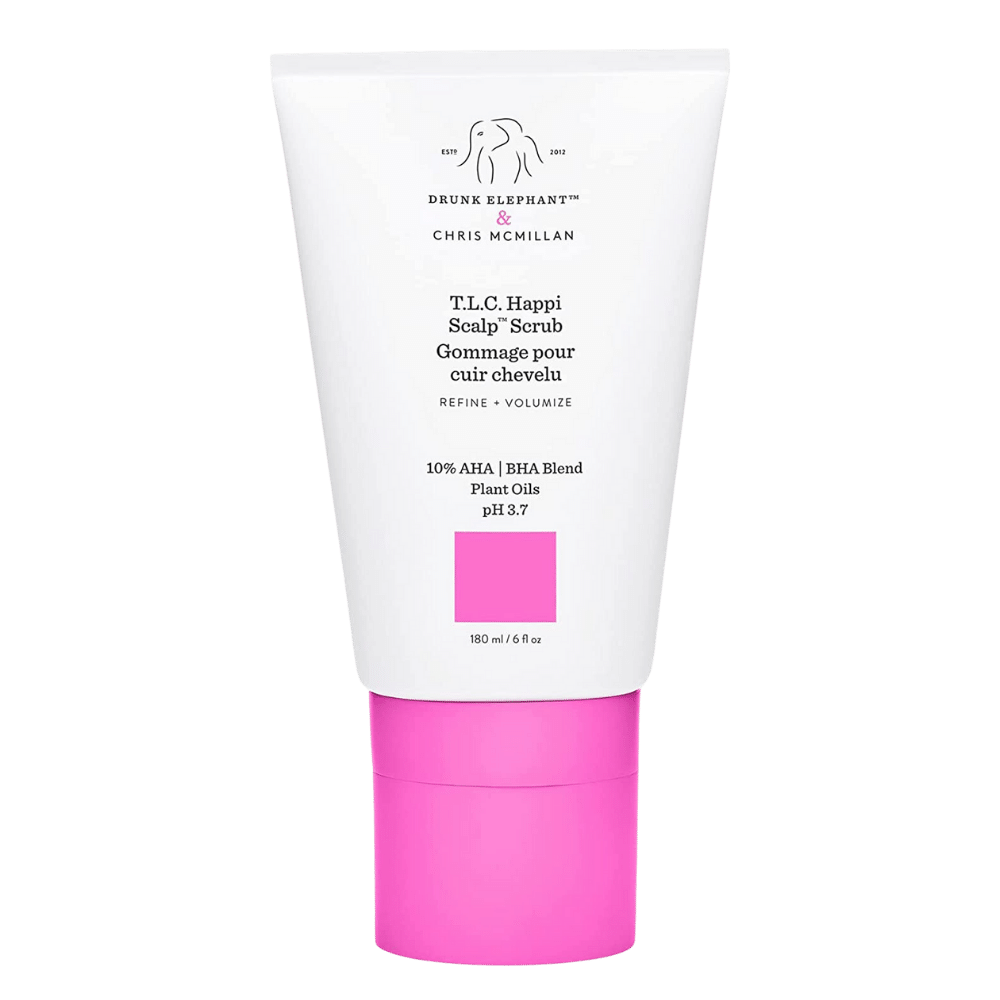
The Drunk Elephant T.L.C. Happi Scalp Scrub is a newer addition to our haircare lineup. We were intrigued to try this product due to its unique blend of alpha and beta hydroxy acids, which work to remove product build-up and dead skin cells from the scalp without harsh exfoliation.
Additionally, the scrub contains nourishing ingredients like plant oils and vitamin E that work together to promote a healthy, happy scalp.
At first, we were surprised by the grittiness of the exfoliating beads, but they didn't feel overly abrasive once we massaged it onto our scalp.
The applicator's unique shape is what really sets this product apart for us. It allowed us to quickly get the product right down to the scalp without making a mess or wasting any product.
As much as we love our G.Tox Himalayan Salt Scalp Scrub Shampoo, we really liked that the Happi Scalp Scrub didn't come in a tub. Using a scrub from a tube felt much more hygienic since we didn't have to dig our fingers into the container or fight off shower water from sitting in the tub. As a bonus, the Happi Scalp Scrub doubles as a body scrub that you can use on rough knees and elbows in a pinch.
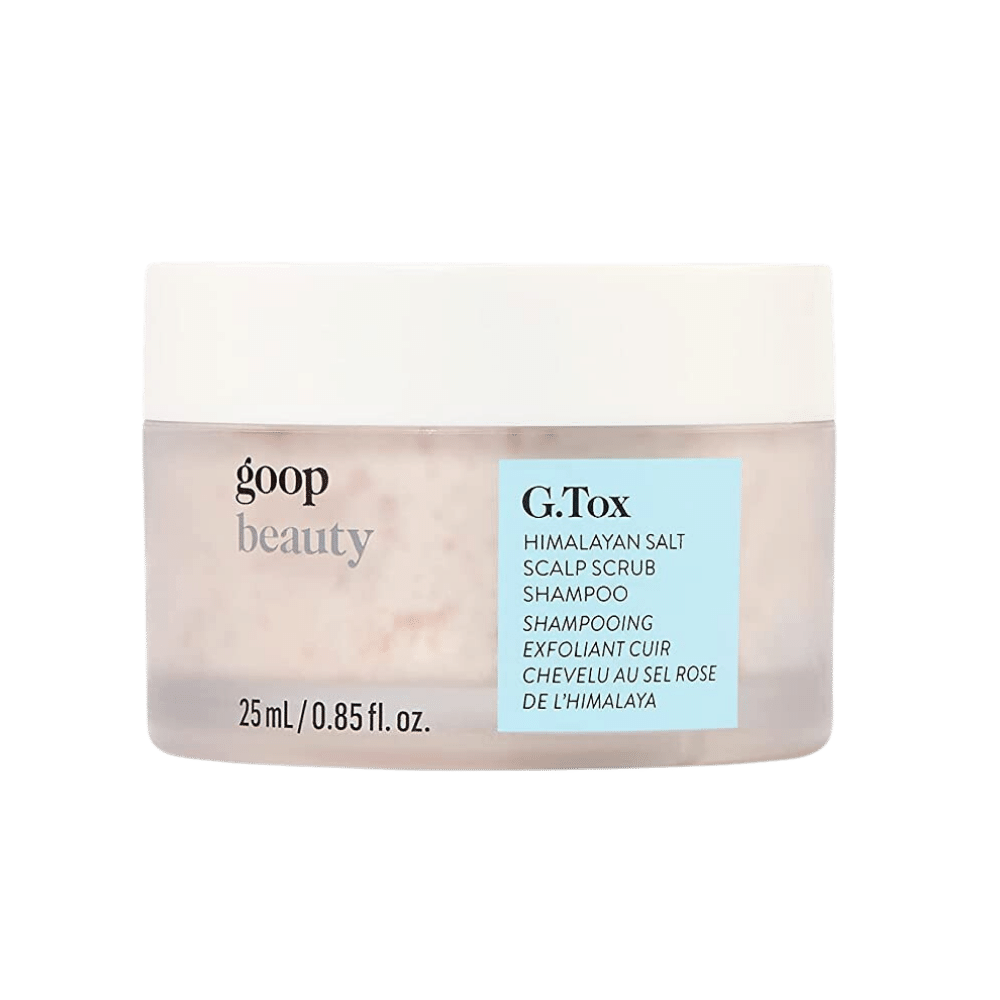
The goop G.Tox Himalayan Salt Scalp Scrub Shampoo was one of the first scalp scrubs that came across our radars. The price point is a bit steep, so we were a little hesitant to try it, but so glad that we did.
Using the G.Tox Himalayan Salt Scalp Scrub is definitely a once-in-a-while indulgence, so we save it to use every couple of months when product build-up on our scalp is causing noticeable irritation.
Himalayan salt exfoliates and cleanses the scalp, while moringa and rosehip oil nourish and condition the hair.
In addition, the peppermint oil smells delicious and feels refreshing while providing essential nutrients to improve your hair's health.
If you’re hesitant to spend this much on a scalp scrub, you might want to check out the Briogeo Scalp Revival Charcoal + Coconut Oil Micro-Exfoliating Shampoo, which is also good for detoxifying and nourishing but at a more reasonable price point.
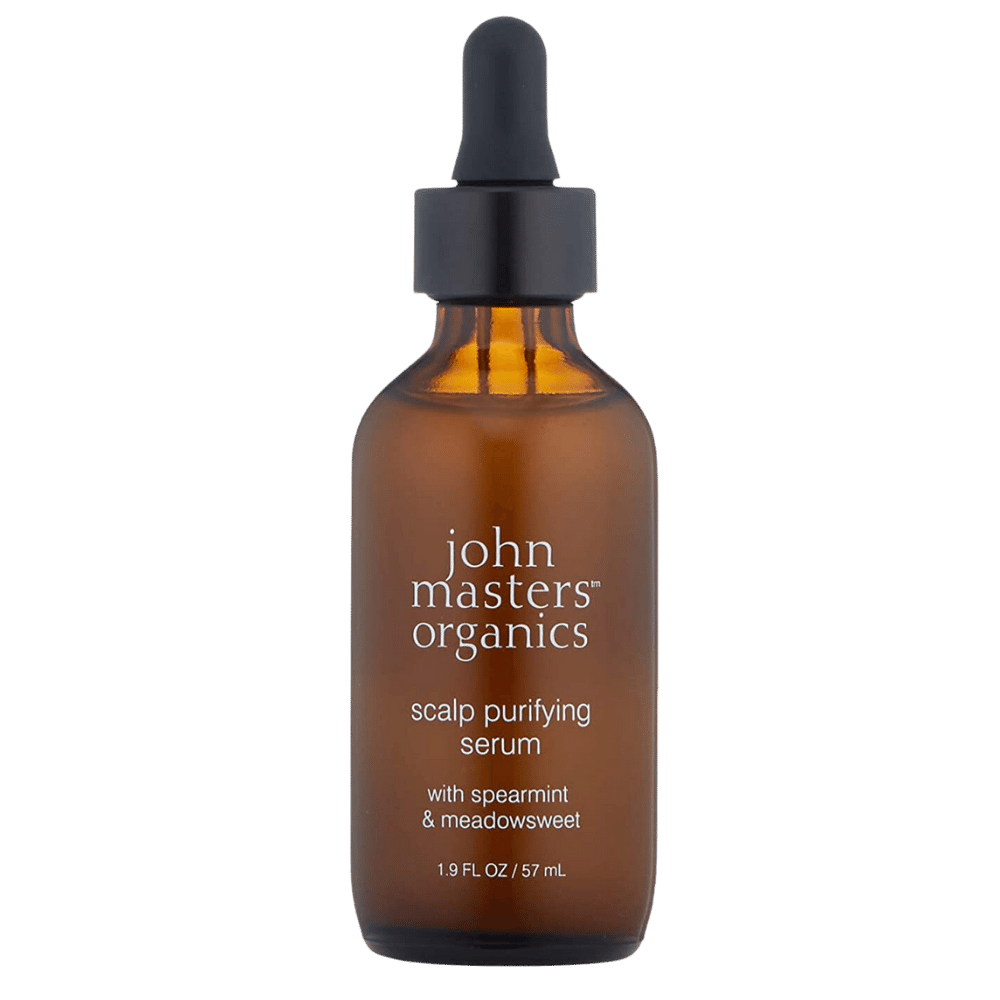
Back in the day, we were big fans of the Paul Mitchell Tea Tree Scalp Treatment, but the strong scent became too much as we adjusted to using more natural hair products without synthetic fragrances. So we were excited when we came across the John Masters Organics’ Scalp Purifying Serum, a seemingly cleaner dupe for the tea tree scalp treatment we used to love.
This serum contains three key active ingredients: tea tree oil, neem oil, and aloe vera. Tea tree oil is well-known for its antibacterial and antifungal properties, making it an excellent choice for treating dandruff and other scalp irritations. Naturally antibacterial neem oil helps to soothe dry, itchy skin, while aloe vera effectively soothes and calms the scalp.
While this purifying serum was effective at reliving our dry, itchy scalp, you don't get a lot of product for the price. Granted, you probably won't be using this serum in your daily routine, so a little bit can go a long way.
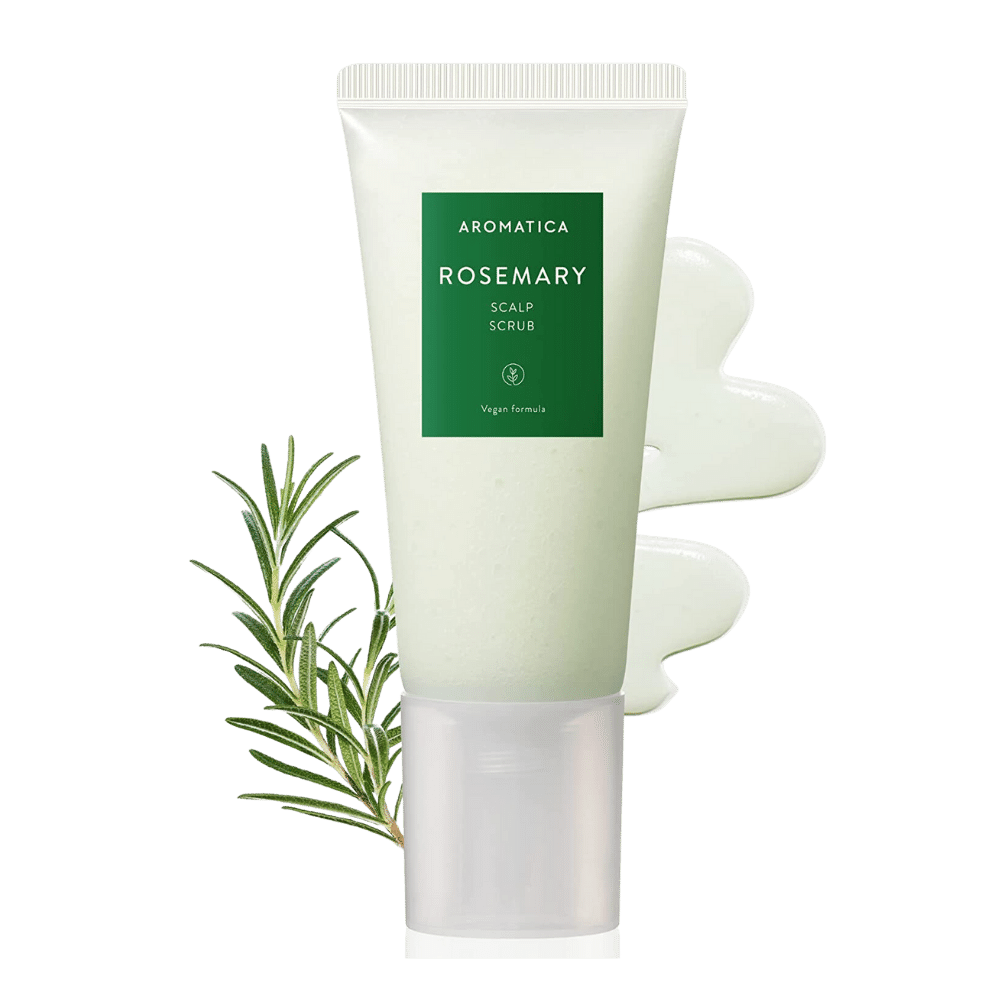
Using the AROMATICA Rosemary Scalp Scrub is like taking a trip to the spa. It filled our bathroom with a lovely light rosemary scent and washed away all of our flakiness and irritation. Our whole head felt minty, cool, and refreshed.
The unique shampoo-like texture with specks of salt helps remove product and oil buildup on the scalp while promoting blood circulation to the scalp's surface, which means a healthier scalp and hair. The rosemary leaf oil has anti-inflammatory properties that can help soothe irritation and is thought to help encourage hair growth. In addition, tea tree leaf oil is a natural antiseptic that can help prevent scalp infections. We especially loved that our oily roots stayed clean for longer.
While the price point can’t be beaten, we still prefer the Drunk Elephant T.L.C. Happi Scalp Scrub for its easy application and lighter scent.
This blog post was all about non-toxic hair products for a sensitive scalp.
We hope this overview has given you a helpful starting point for finding natural hair products to relieve your sensitive scalp.
- Harsh chemicals in conventional hair products can exacerbate scalp irritation. Making the switch to non-toxic, plant-based hair care is essential.
- Opt for shampoos, treatments, and scrubs with soothing botanical ingredients like aloe, tea tree oil, and chamomile. Avoid products with sulfates, parabens, fragrances, and other harsh additives.
- Incorporate scalp-nourishing oils like rahua and sacha inchi into your routine. Use scalp scrubs occasionally to gently exfoliate and detoxify.
- We recommend our top 7 non-toxic picks, but encourage you to do your own research to find the right natural hair products for your individual needs and budget.
If you found this post helpful, please share it with anyone else who may be struggling with scalp sensitivity issues. The more we spread the word about clean, non-toxic beauty, the better!
What has your experience been in finding products to soothe your sensitive scalp? Do you have any favorite natural hair care brands we should know about? Let us know in the comments below!
Like this post? Save for later on Pinterest!


Leave a Reply